
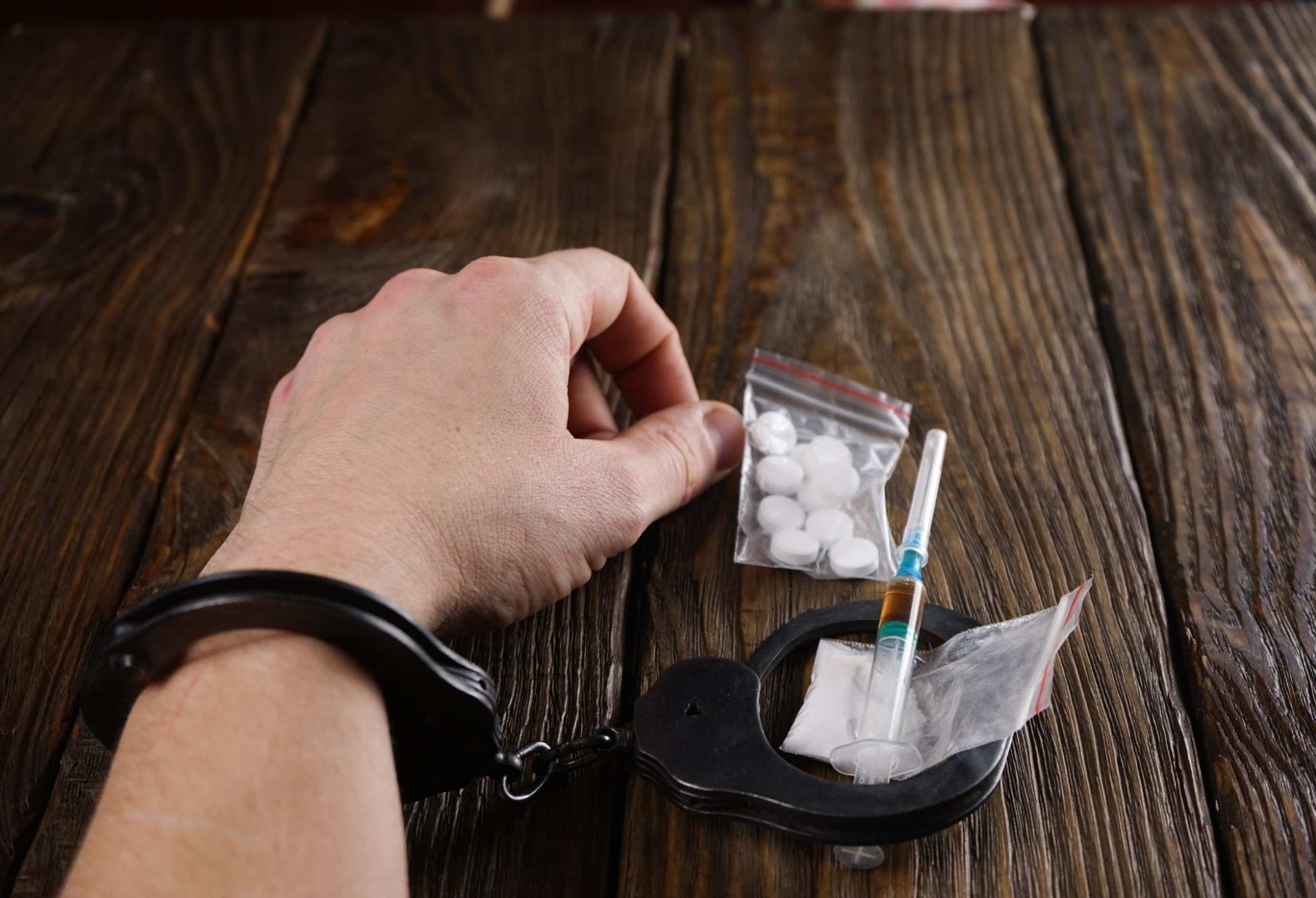
Ohio classifies drug possession crimes by degree. A Felony 5 (F5) is the least serious level of felony offense, but a conviction can still result in prison time and steep fines. If you’re facing an F5 drug possession charge, an experienced criminal defense attorney can explain your rights and options.
Ohio classifies drug possession charges by the type and amount of substance involved. F5 possession charges often apply to small quantities of drugs that fall outside the scope of misdemeanor possession, especially when the drug is classified as a Schedule I or II controlled substance.
For example, possession of less than five grams of cocaine or less than 20 grams of marijuana concentrate may be charged as a fifth-degree felony. The law applies to illegal street drugs as well as prescription medications like Oxycodone or Adderall, if you don’t have a valid prescription.
Whether something is charged as a felony or misdemeanor depends on the weight, how the drug was packaged, and whether the prosecution believes there’s intent to distribute. Even “personal use” amounts can result in felony charges in some cases.
Ohio punishes a fifth-degree felony with six to 12 months in prison and up to a $2,500 fine. Courts may have the discretion to impose five years of community control (probation) instead of prison time for a first offense. In addition to these punishments, a judge may order:
Prior convictions or aggravating circumstances can increase the sentence. These factors include possessing firearms during the crime or drug possession near a school.
An F5 conviction creates a criminal record, which can follow you long after you’ve paid your fines and served your time. Many people may have trouble securing jobs, housing, or certain professional licenses with a criminal record.
You may also lose the right to possess or carry firearms under both state and federal law. If you’re not a U.S. citizen, a conviction could trigger immigration consequences, including removal.
If this is your first felony drug charge, you may qualify for a pretrial diversion or intervention program. Many Ohio courts offer alternatives that prioritize treatment over punishment.
One option is intervention in lieu of conviction (ILC). If accepted, you agree to complete a treatment plan. If you finish successfully, the court dismisses the charges without a conviction going on your record. Note that the offense must be nonviolent to qualify. The court also must find that drug use or addiction was a factor in committing the crime.
Another option may be drug court. Drug court is a specialized docket that handles substance abuse-related cases. These programs involve regular check-ins, drug testing, and substance abuse treatment. Drug court programs have strict rules and structure, but if you’re committed to recovery, they can offer help and a clean slate.
Ohio allows eligible people to apply to seal their records. If you meet the criteria, a court can remove your conviction from public view. That means it won’t appear on most background checks. You can also legally state that you have not been convicted. The court will consider your overall criminal history, your rehabilitation, and whether sealing the record serves the public interest.
If you’ve been charged with Felony 5 drug possession in Ohio, McNamee Defense can fight for the best possible outcome. Call today for a consultation.